Safety
Rules and Regulations
The Province of Nova Scotia’s Petroleum Resources Act governs all aspects of exploration, development and production of onshore natural gas, ensuring all activities are conducted in a safe, efficient and orderly manner.
- The Nova Scotia Onshore Petroleum Drilling Regulations establish the permitting, operational, and reporting requirements that operators must follow to drill, complete, suspend, or abandon petroleum wells
- The Nova Scotia Environment Act requires environmental approvals and protection of water and ecosystems
- The Nova Scotia Occupational Health and Safety Act regulates safe working conditions.
To facilitate successful development of onshore gas, Nova Scotia would develop a more modern, comprehensive regulatory framework similar to those in provinces producing onshore natural gas.
Building a safe natural gas industry
The standard approach in North America to extracting natural gas in tight formations is called hydraulic fracturing, a method of using water and pressure to crack underground rock so natural gas can flow.
As of 2025, more than 200,000 wells have been hydraulically fractured in Canada and millions in the United States. Any natural gas project in Nova Scotia would require rigorous review including, an industrial approval. An industrial approval can require community consultation and outlines terms and conditions for the project, including ongoing monitoring and reporting.
Technology
Technological Advancements
Significant technological advancements have been made since The Nova Scotia’s Independent Panel on Hydraulic Fracturing report in 2014.
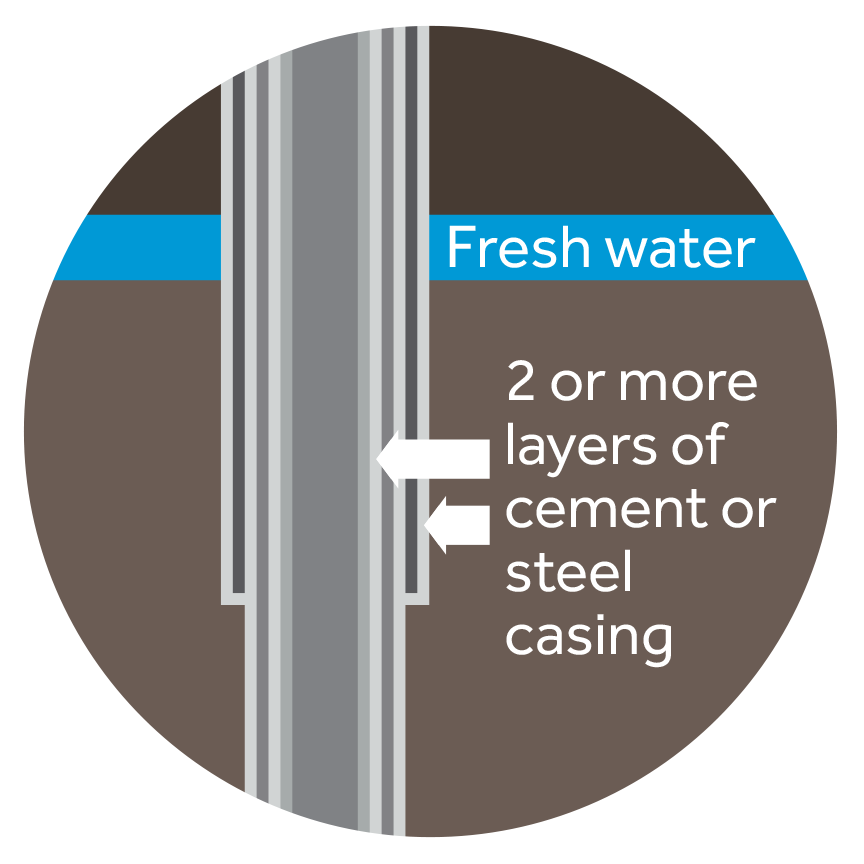
Today, wells are designed to isolate groundwater from gas zones, by using multiple steel casings and cement barriers.
Multi-stage hydraulic fracturing along horizontal wells allows more natural gas to be produced from fewer wells, with less surface land disturbance.
Well analysis in real time is enabled through digital monitoring and automation. Better data analytics generate predictive modelling, which improves safety and promotes efficiency.
Micro-seismic monitoring happens in real time. Fracture growth is tracked during fracturing operations that can be adjusted or stopped if thresholds are exceeded.
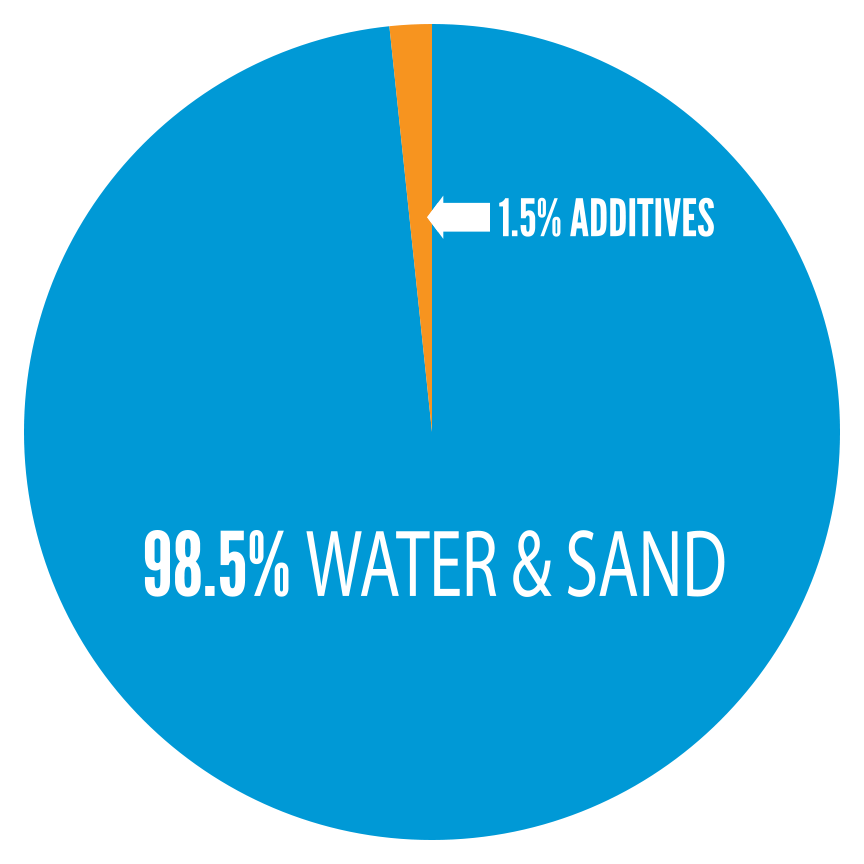
Fracturing fluid is comprised of 98.5% water and sand. A small amount of additives, many found in household products, are added to help the fluid carry sand more easily or reduce friction so it flows. Friction reducers are also used to reduce water requirements. Together, this helps improve how much gas can be recovered after the rock is fractured.
A solid barrier
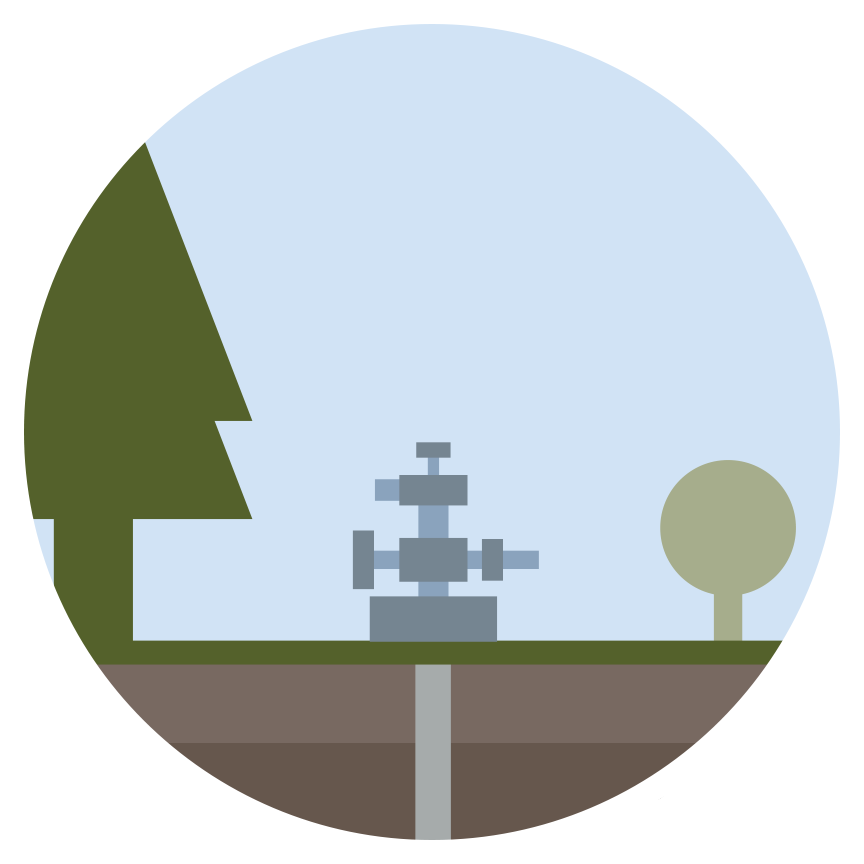
Wellbores have multiple layers of steel casing cemeted in place to prevent gas or liquid from migrating into groundwater sources.
Community Example
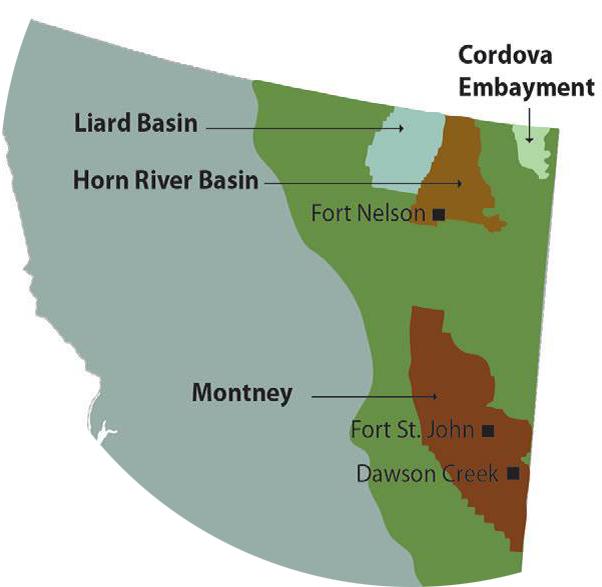
Since production started in 2004, the Montney Formation in British Columbia has become one of the largest natural gas production zones in North America. Its track record is a result of three major factors:
1.
Strong measures were put in place to monitor and protect the environment. Baseline data for groundwater and the environment were collected and made publicly available. Montney gas is recognized as having the lowest methane emissions (per unit of gas) of any natural gas development globally.
2.
Community and Indigenous participation in economic opportunities and environmental monitoring was foundational and is ongoing.
3.
Economic benefits have proven significant and sustainable. Today, the field supports thousands of jobs.