
Water
Extracting onshore natural gas resources sometimes requires a significant amount of water. Water use per well can vary widely, ranging from 2,000 cubic metres (less than one Olympic swimming pool of water) to as high as 75,000 cubic metres (about 30 Olympic swimming pools of water) in exceptional cases. Most often fresh water is used.
Fresh water is extensively used in Nova Scotia for potable household water, farming and industrial processes.
In rural Nova Scotia, most of the domestic fresh water is accessed through onsite well systems that tap into the natural water table or springs. Towns and villages may have water treatment and management systems with piped infrastructure sourced from lakes, rivers or aqueducts.
Industrial uses are mostly sourced from lakes and rivers with government oversight ensuring sustainability and post-use treatment.
For onshore natural gas development, there are two considerations for fresh water:
1.
Will onshore natural gas activity impact the local water resource available for current local users?
2.
What happens to the wastewater created by onshore natural gas activities?
There is information available to help answer these questions today and the research program will help to fill any gaps.
How is water used to extract onshore natural gas?
Natural gas does not always move easily through tight rock such as shale, so modern production creates small pathways to help the gas flow into a well.
1.
Water, along with smaller amounts of sand and additives, is pumped into the well at high pressure.
2.
The water pressure opens narrow cracks in the rock or shale, and sand particles are driven into the cracks.
3.
Once pumping stops, some of the water flows back up the well bore to the surface where it is recovered. The sand remaining in the narrow cracks keeps them propped open, allowing gas to move more freely to the surface.
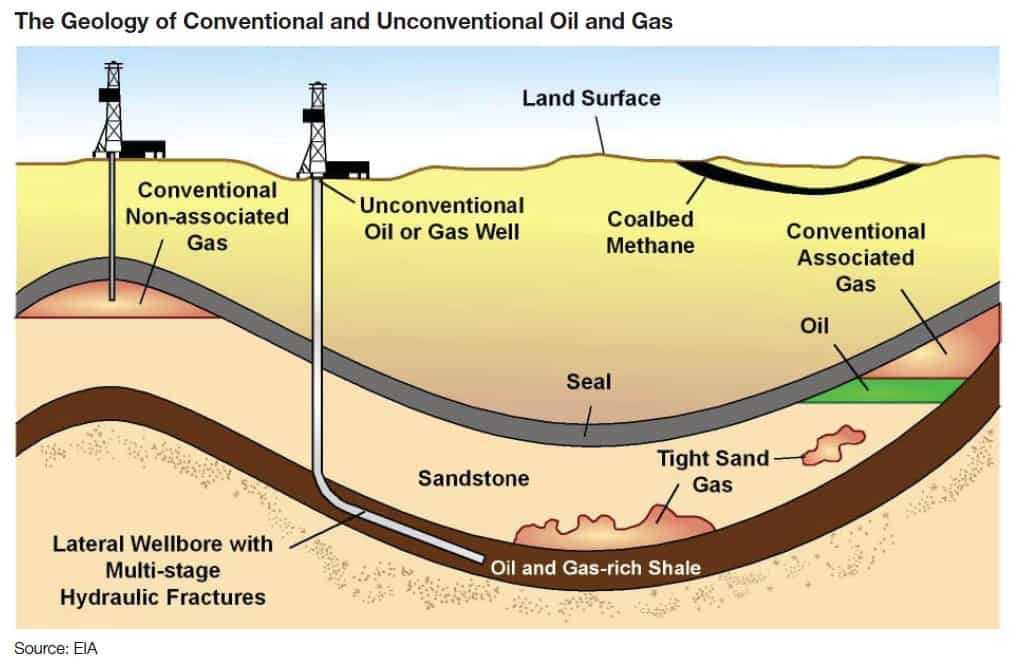
Nova Scotia’s onshore natural gas is mostly unconventional, meaning that to enable commercial production requires horizontal drilling combined with hydraulic fracturing to move it through the impermeable (shale) where it is found.
This is called hydraulic fracturing and the process typically lasts from one to three days. Since the 1950s, more than 200,000 wells have been drilled in Canada using hydraulic fracturing. Without hydraulic fracturing, production from these reservoirs would not be economically viable.
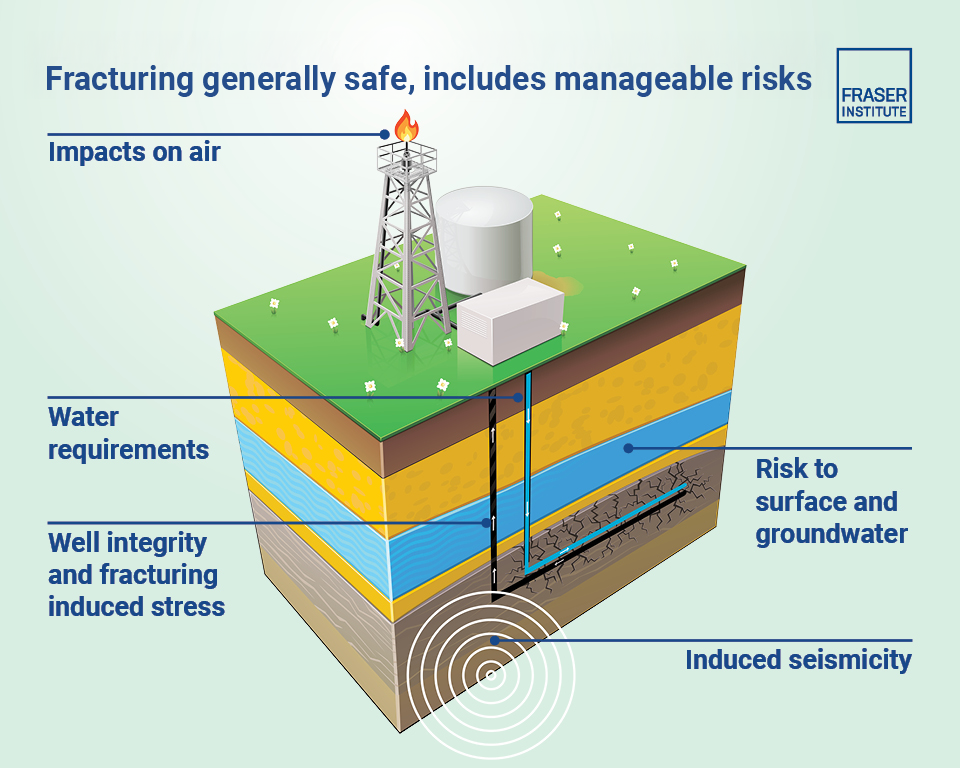
A well is typically only fractured once and will produce for 20-30 years without additional water requirements.
How much water will be needed to extract the resource?
Hydraulic fracturing in Canada uses a significant amount of water. There is no national dataset, but the clearest picture comes from provinces like Alberta and British Columbia.
In Alberta, a total of about 30 million cubic metres of water is used annually for fracturing, and in British Columbia (BC) the figure sits at about 7.5 million cubic metres. Given the smaller size of Nova Scotia’s natural gas formations, it is expected that significantly less water would be used here than in either BC or Alberta.
The industry overall has moved toward using less freshwater by implementing systems that use recycled water and brackish water sources.
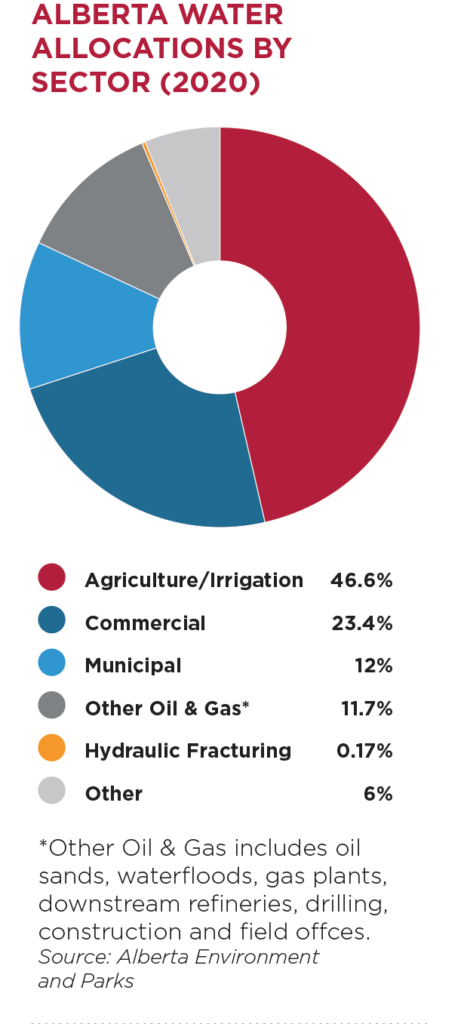
Data from the Alberta Energy Regulator shows that water allocation from hydraulic fracturing is less than one percent of the total amount of water allocated each year to all sectors. Agriculture, by way of comparison, uses 46% of allocated water.
In Nova Scotia, many industries use significant volumes of surface water, including thermal power generation and pulp and paper plants. These sectors individually can draw more surface water annually than is used in the entirety of all hydraulic fracturing events in Alberta and British Columbia.
How do we manage impacts on water systems?
Hydraulic fracturing in Canada is regulated provincially, but across the country the approach is similar. Canadian provinces don’t manage hydraulic fracturing water impacts through a single approach. Instead, they combine strict water controls, monitoring, and operational requirements to reduce risks to both groundwater and surface water.
The overall philosophy is to limit withdrawals, protect groundwater aquifers, and track everything.
Measures in other provinces include:
- The amount of water that can be withdrawn is dependent on the amount of water available in a jurisdiction – especially during low-flow or drought conditions.
- Wells are built with multiple layers of steel casing and cement to keep fracturing fluids and natural gas well away from drinking water aquifers.
- Storage tanks and containment systems are used to safely manage fluids on site. Closed-loop fluid systems may also be used.
- Provinces require baseline testing and ongoing monitoring of groundwater and surface water so any changes can be detected and investigated.
- Wastewater from fracturing is tightly managed, and increasingly recycled and reused to reduce the need for new freshwater.
The result is not zero impact, but a system designed to reduce risk, protect drinking water and manage water use responsibly, with effectiveness varying by province depending on the infrastructure and regulatory focus.
What happens if water systems are impacted?
In Nova Scotia, oil and gas activities are governed by an approval and enforcement system that prioritizes protection of groundwater and surface water. Each drilling contractor will have to be approved and will need to comply with the requirements.
If a drilling project causes, or is suspected to cause, an impact to drinking water or the environment, regulators can issue an immediate order to suspend operations. The operator is then required to:

1.
Investigate and report the cause of the impact
2.
Manage and remedy any contamination
3.
Provide an alternate water supply to affected users
The Nova Scotia government can also impose further compliance orders, penalties, or long-term restrictions if needed.